

The Issue
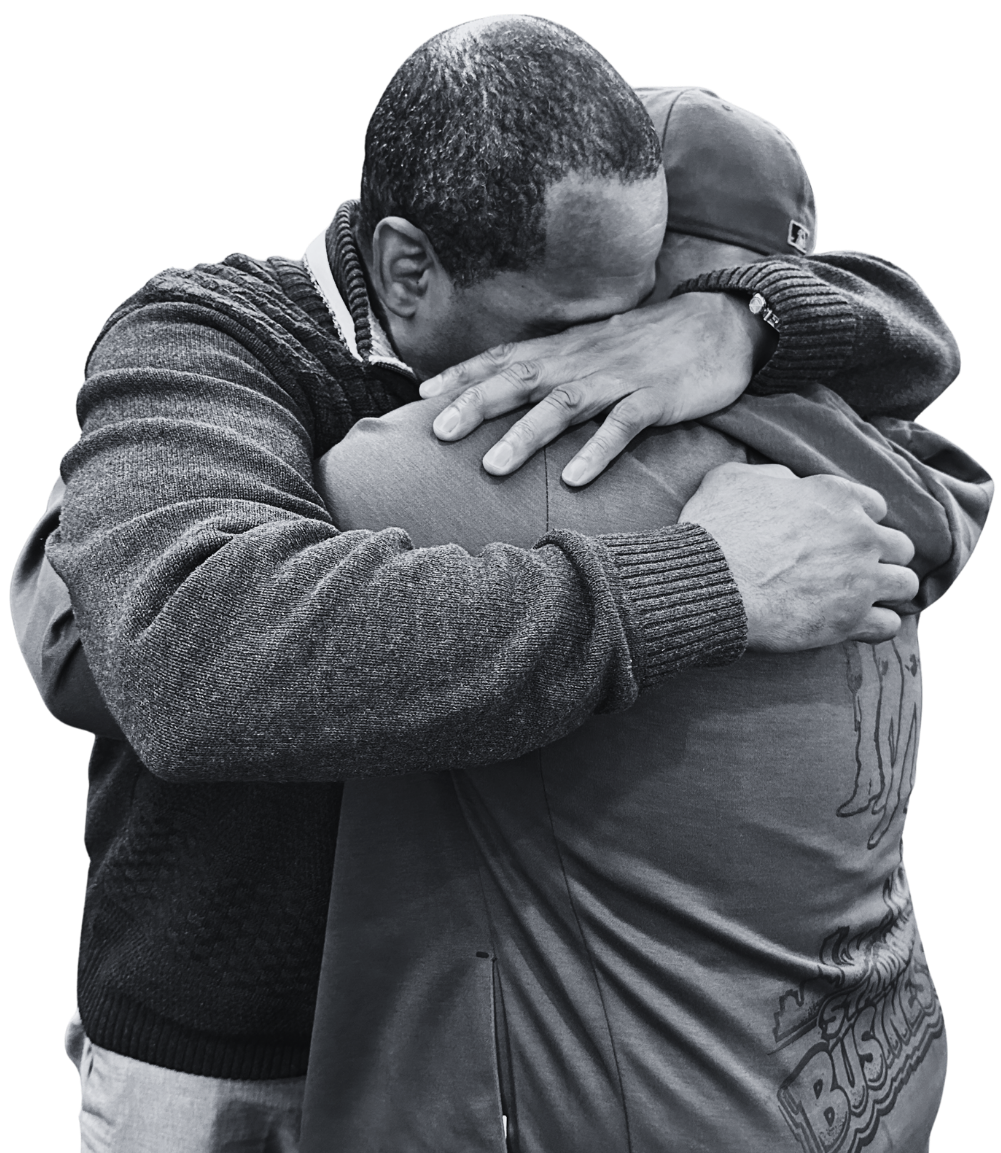
Wrongful conviction encompasses the prosecution, persecution, and imprisonment of innocent people for crimes they did not commit as well as convictions through an illegitimate, racist, and arbitrary system that dehumanizes and harms, not heals.
Issue No. 1
WRONGFUL CONVICTIONS ARE A DAILY REALITY.
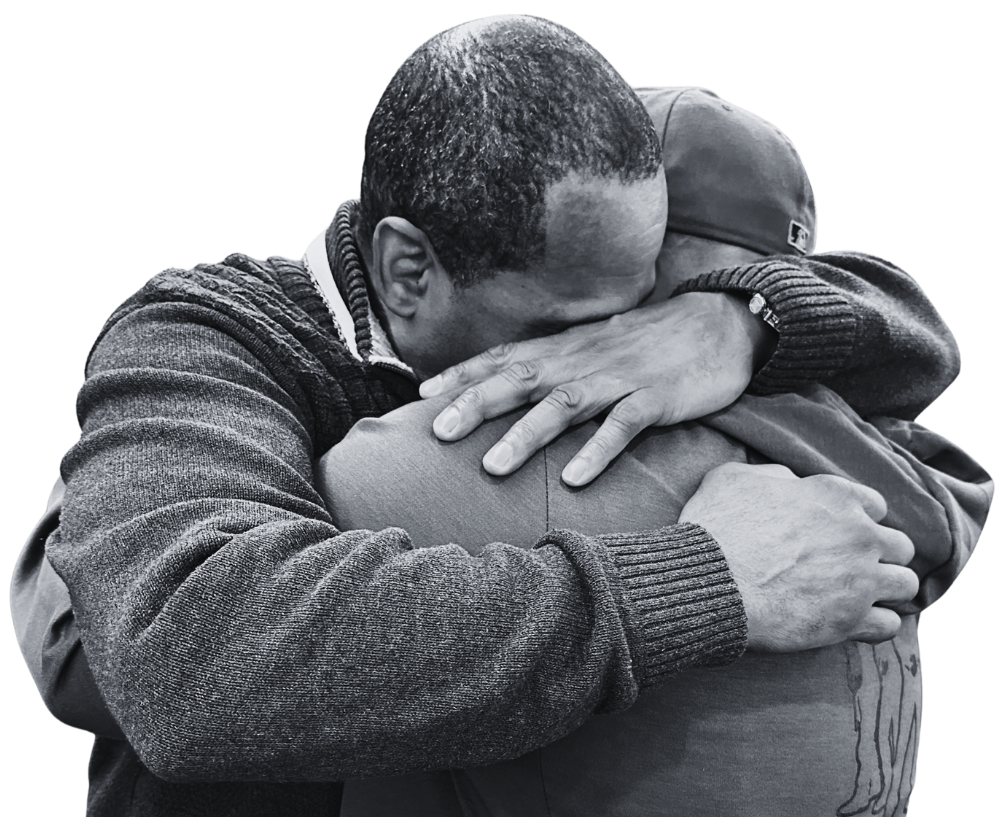
Imagine being wrongfully convicted for a crime you did not commit. Imagine being taken from your family and community and being put in a cage for something you did not do. Imagine being faced with dying in prison because no one would believe you.
For some of us, this may be unimaginable, but for our community, it is a daily reality.
Issue No. 2
Wrongful convictions create intergenerational harm.
The harm caused by wrongful convictions extends far beyond the individual. Families are torn apart. Children grow up without parents. Entire communities absorb the trauma, stigma, and economic devastation that wrongful incarceration creates. This harm is intergenerational and cumulative—and it falls most heavily on Black people and other communities of color.
Issue No. 3
Wrongful convictions are not exceptions, but systemic outcomes.
Wrongful convictions are not rare, isolated incidents or the result of a few “bad actors.” They are the predictable outcome of a criminal legal system and carceral state shaped by white supremacy and capitalism.
Since 1989, there have been thousands of documented exonerations, representing tens of thousands of years lost behind bars. These numbers are staggering, but they represent only the tip of the iceberg; countless more remain in prison fighting for their freedom.
Issue No. 4
Wrongful convictions disproportionately affect people of color.
From the legacy of slavery and Jim Crow to today’s systems of policing, prosecution, and incarceration, Black communities have been—and continue to be—disproportionately harmed by wrongful convictions and mass incarceration. Yet Black people have also led the charge for accountability, liberation, and transformative change.
While only 8.1% of the New England population identifies as Black, 34.4% of New England exonerees are Black. And we know that this number, demonstrating the disproportionate number of Black people exonerated, represents only a fraction of those who were actually wrongfully convicted.
The Contributing Factors
Why Wrongful Convictions Happen
Wrongful convictions are a predictable result of multiple systemic factors and biases, including but not limited to:

Coerced Pleas
Cognitive Bias


False Confessions
Inadequate Defense




Unreliable Informants
False Accusations
Eyewitness Misidentification
Racism and White Supremacy


Flawed or Misleading Forensic Evidence
Police & Prosecutorial Misconduct
The Long Path to
Freedom and Healing
The Legal Process is Difficult by Design
Innocent people and their loved ones are forced into a grueling, years-long legal battle not just for their freedom, but to clear their name and receive compensation within a system designed to uphold convictions at all costs.

Overturning a Conviction
The journey often begins with a legal reversal of the wrongful conviction. Success here is monumental but doesn't automatically grant immediate freedom; it simply returns the individual to the status of "charged," leaving the State to decide whether to drop the case or force a grueling retrial.

Release from Prison
Prison is inherently traumatic. Depending on the specific circumstances and legal avenue used, a person may be released from prison at various stages of the process. Release is not the same thing as “freedom” since many people who are not in prison remain under control of the carceral state through invasive supervision and monitoring.

Exoneration
Exoneration only becomes a reality when the person is cleared of all charges, whether through a decision by the prosecutor, judge, or jury. Some are "freed, but fighting" until fully exonerated. Achieving this requires overcoming immense systemic opposition.

Compensation
Exonerees receive no immediate support. To receive any sort of compensation, they must file a civil lawsuit and prove their innocence yet again—a process that takes years. In Massachusetts, compensation is capped at $1 million, regardless of how many years were stolen. In New Hampshire, it is an appalling $20,000.
We are reimagining what justice can be
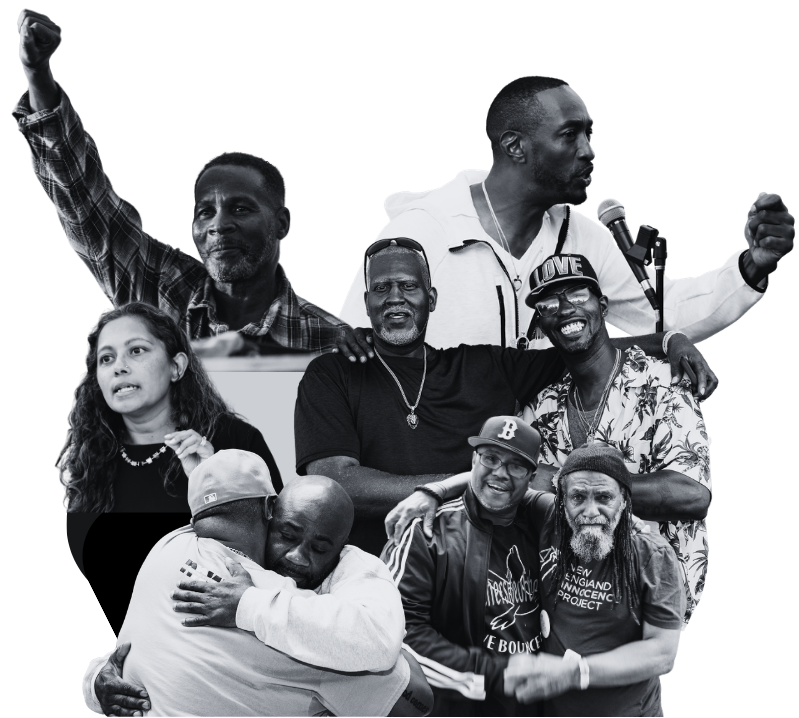
At the New England Innocence Project, we take a holistic approach to freedom and our part in creating a more just world.
We are reimagining what justice can be
At the New England Innocence Project, we take a holistic approach to freedom and our part in creating a more just world.

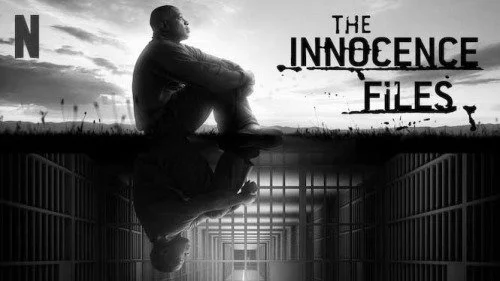
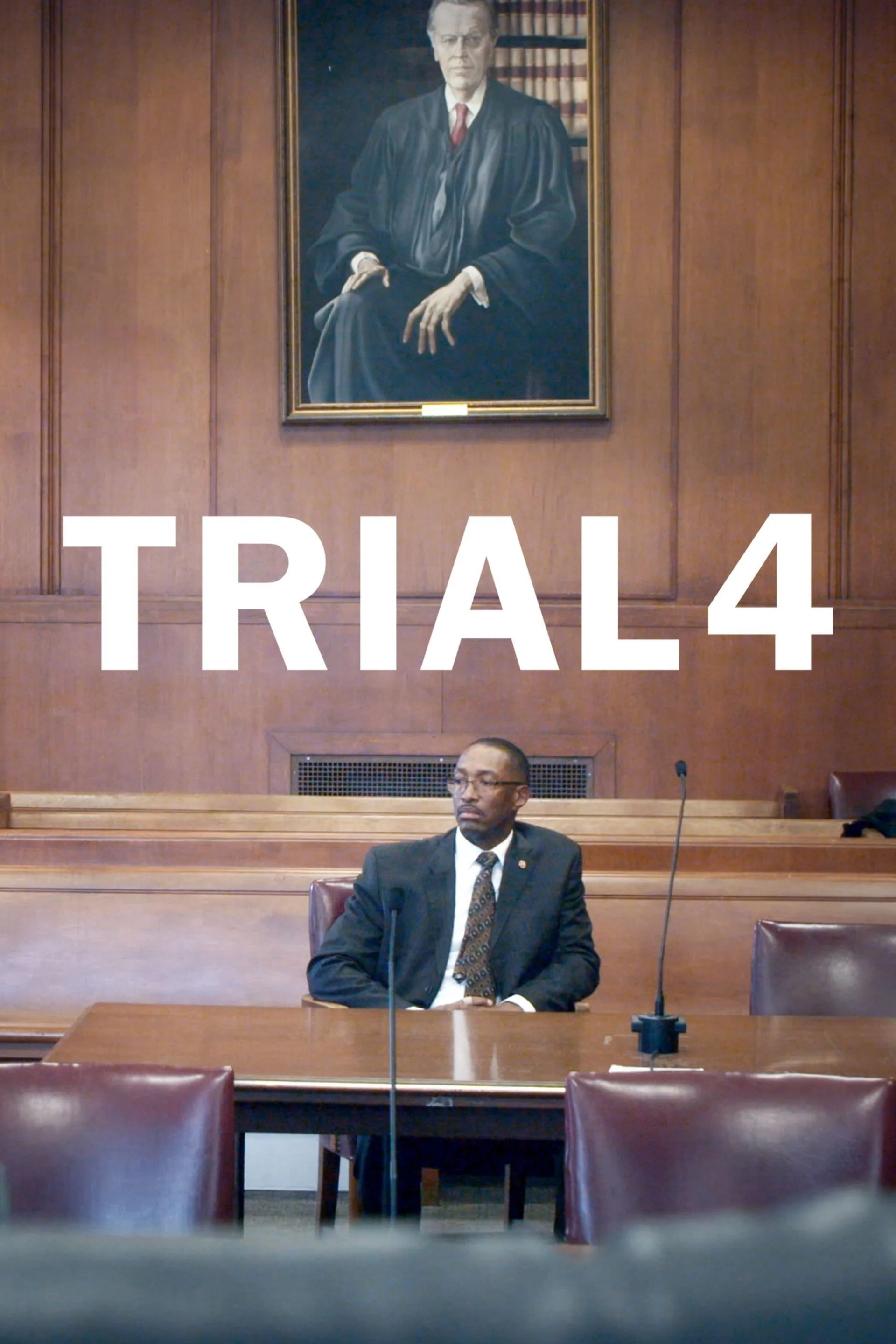


Watch, Listen, Read, & Share
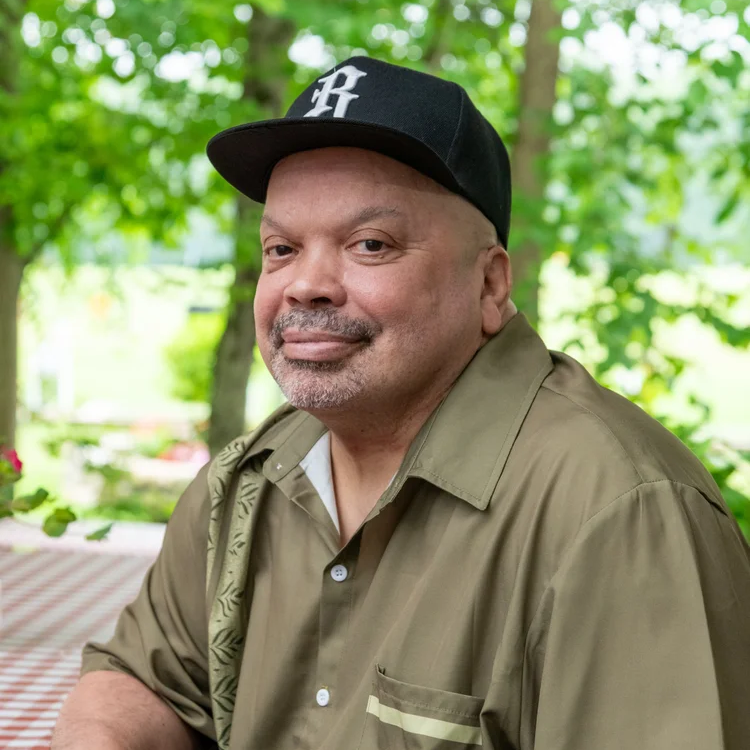
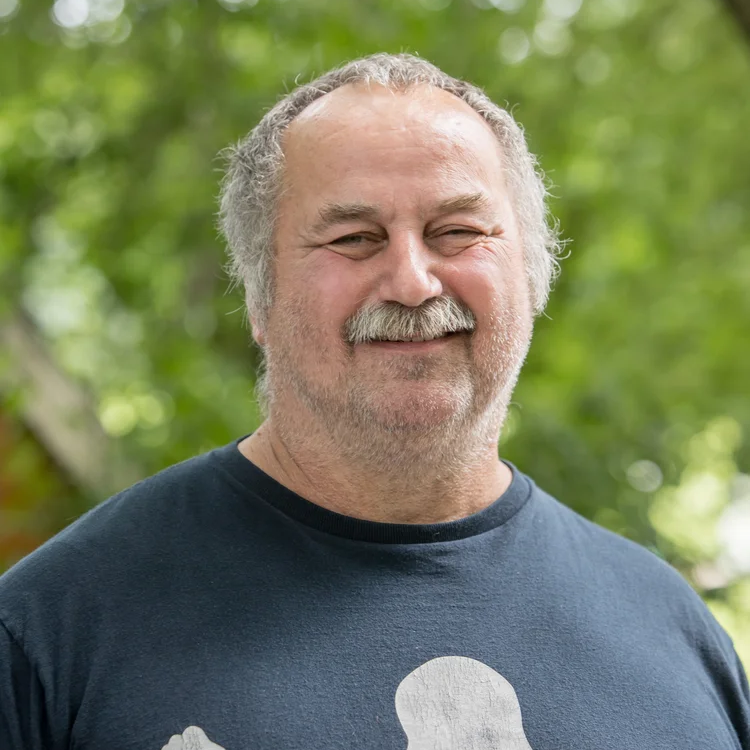
Voices of the Wrongfully Convicted

Visit Our YouTube Channel
We have more powerful stories about hope, loss, community, and resilience from people directly impacted by wrongful convictions. Meet our community and hear from them first-hand.


Donate
Your Support Means Everything
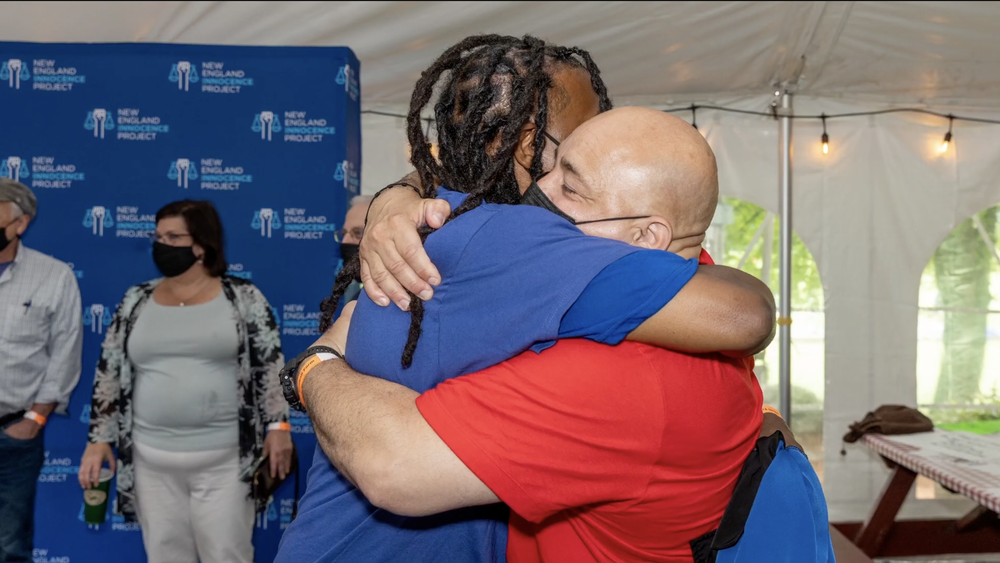
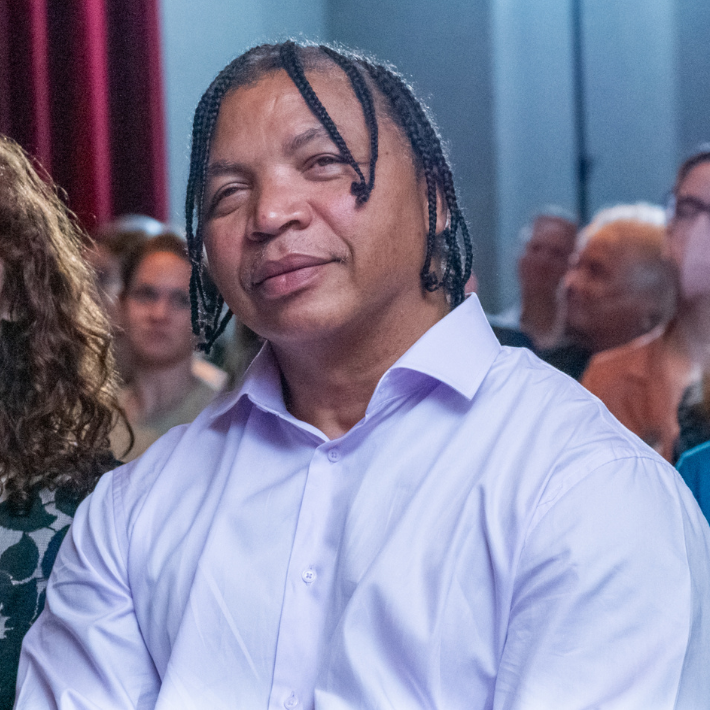
Supporting this work enables people who have suffered so much to build a future in freedom, become active in their communities, and create memorable moments—such as raising children, holding their grandchildren, and reuniting with their partners.