
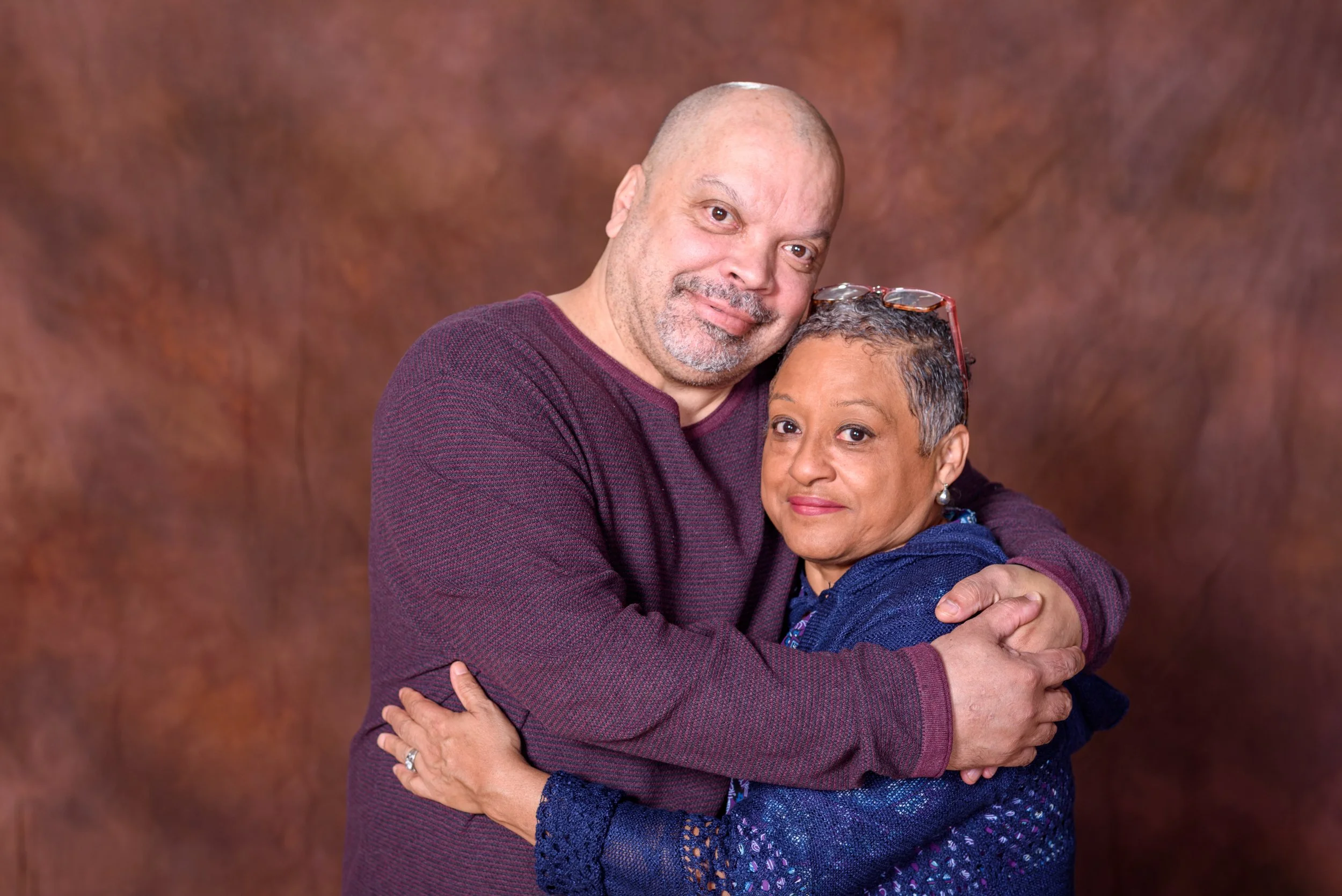
Mr. Rosa with his wife.
“Thomas Rosa was my very first client at the New England Innocence Project, and seeing him reunited in freedom with his wife, Virginia, is incredibly moving.”
—Radha Natarajan, NEIP Executive Director
Convicted Despite Weak Evidence
Thomas Rosa was wrongfully convicted in Suffolk County Superior Court for the 1985 murder of Gwendolyn Taylor. Mr. Rosa voluntarily presented himself to police during the investigation and always maintained his innocence.
The prosecution against Mr. Rosa spanned years and included three separate trials. His first trial ended in a mistrial, a later conviction was overturned, and he was ultimately convicted again in 1993. He would spend the next three decades in prison for a crime he did not commit.
New Evidence Changes the Case
On June 29, 2020, attorneys Radha Natarajan of the New England Innocence Project and Charlotte Whitmore of the Boston College Innocence Program filed a Motion for New Trial presenting numerous arguments for overturning Mr. Rosa’s convictions. While Judge Ricciuti considered his Motion for New Trial, Justice Gaziano, acting as Single Justice for the Supreme Judicial Court, ordered Mr. Rosa released from prison on October 14, 2020.
On September 6, 2023, Suffolk Superior Court Judge Michael Ricciuti vacated Mr. Rosa’s convictions after finding that newly developed DNA evidence and advances in eyewitness identification science fundamentally undermined the evidence used to convict him.
In his decision, Judge Ricciuti held that the evidence against Mr. Rosa at trial had been “far from overwhelming” and that the new DNA evidence “debunks the prosecution’s closing statement” while also “cast[ing] doubt regarding the reliability of the eyewitness testimony,” which we now know, based on advances in science, was “not as strong as the Commonwealth thought.”
The forensic blood-typing evidence presented at trial — once used by the Commonwealth to connect Mr. Rosa to the crime — was now contradicted by new DNA testing. The only remaining evidence relied largely on eyewitness testimony from individuals who viewed the perpetrator at night for only seconds under conditions now widely recognized as highly susceptible to misidentification.
Additional facts further undermined the prosecution’s theory. One eyewitness described the perpetrator as having a missing tooth or noticeable gap in his teeth, a feature Mr. Rosa did not have. Witnesses also described an interaction suggesting the victim and assailant knew one another, despite the fact that Mr. Rosa and Ms. Taylor had never met.
Freedom! The Release
In 2020, the pandemic hit. Mr. Rosa’s health had deteriorated substantially in prison, and we were terrified that we would lose him before the truth was finally recognized. During lockdown, we spent many sleepless nights preparing emergency motions to free him and in October 2020, after 34 years wrongfully imprisoned, Mr. Rosa finally walked free. We celebrated, but we knew the fight wasn't over. We still needed to clear his name.
“The truth is finally coming out,” shared Mr. Rosa. “I am free but not free.”
“The truth is finally coming out. I am free but not free.”
—Thomas Rosa, at the time of his release.
The Push Toward a Fourth Trial
Although the Suffolk County District Attorney’s Office initially supported overturning Tommy’s wrongful conviction, prosecutors chose to pursue a fourth trial rather than dismiss the charges.
This decision to move forward came even after the Commonwealth lost critical evidence in the case, including the murder weapon and other crime scene evidence, despite a court order requiring the Commonwealth to preserve the physical evidence in the case.
The New England Innocence Project continued representing Mr. Rosa alongside attorneys Mark Loevy-Reyes and Meg Gould as the case moved toward retrial in Suffolk Superior Court. Over the next several years, we saw extraordinary resistance: the D.A.’s office rejected their own DNA expert’s opinion supporting Tommy’s innocence, replaced the assigned prosecutor with those who would be more willing to preserve this wrongful conviction, forced him into repeat court appearances despite his declining health, and opposed nearly every effort to challenge unreliable evidence.
For Mr. Rosa and his family, the legal battle had by then stretched across more than four decades.
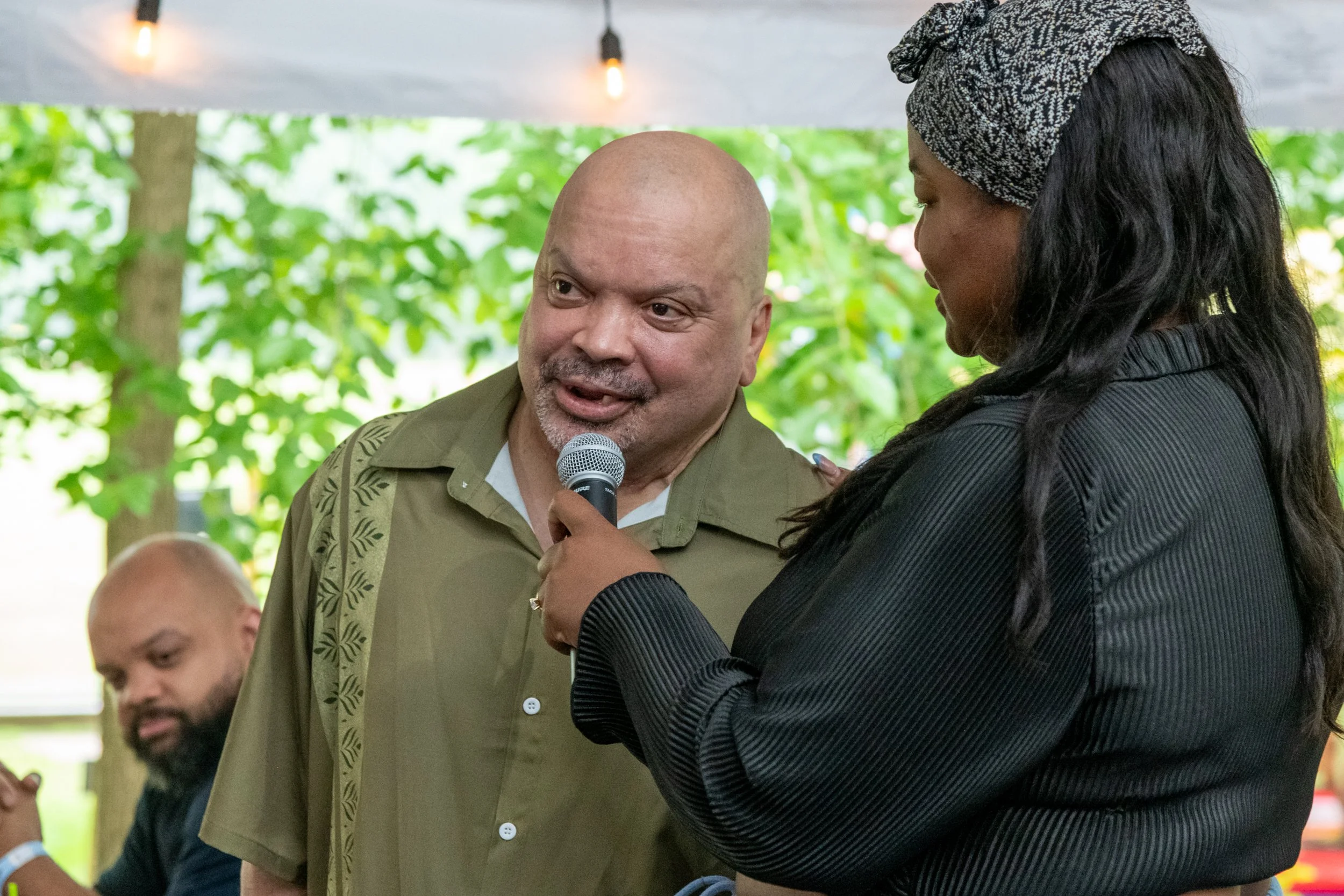
Mr. Rosa sharing his story at our 2022 Celebration of Freedom and Community event.
Official Exoneration
On March 18, 2026, just weeks before jury selection for a fourth trial, the Suffolk County District Attorney’s Office filed a nolle prosequi, formally ending the prosecution against Mr. Rosa and officially exonerating him.
Following his release, Mr. Rosa reunited with his wife, son, and grandchildren and has become an active member of the exoneree community, supporting others who have experienced wrongful convictions and long-term incarceration. Although decades of imprisonment and inadequate healthcare continue to impact his health, Mr. Rosa remains focused on rebuilding his life in freedom.
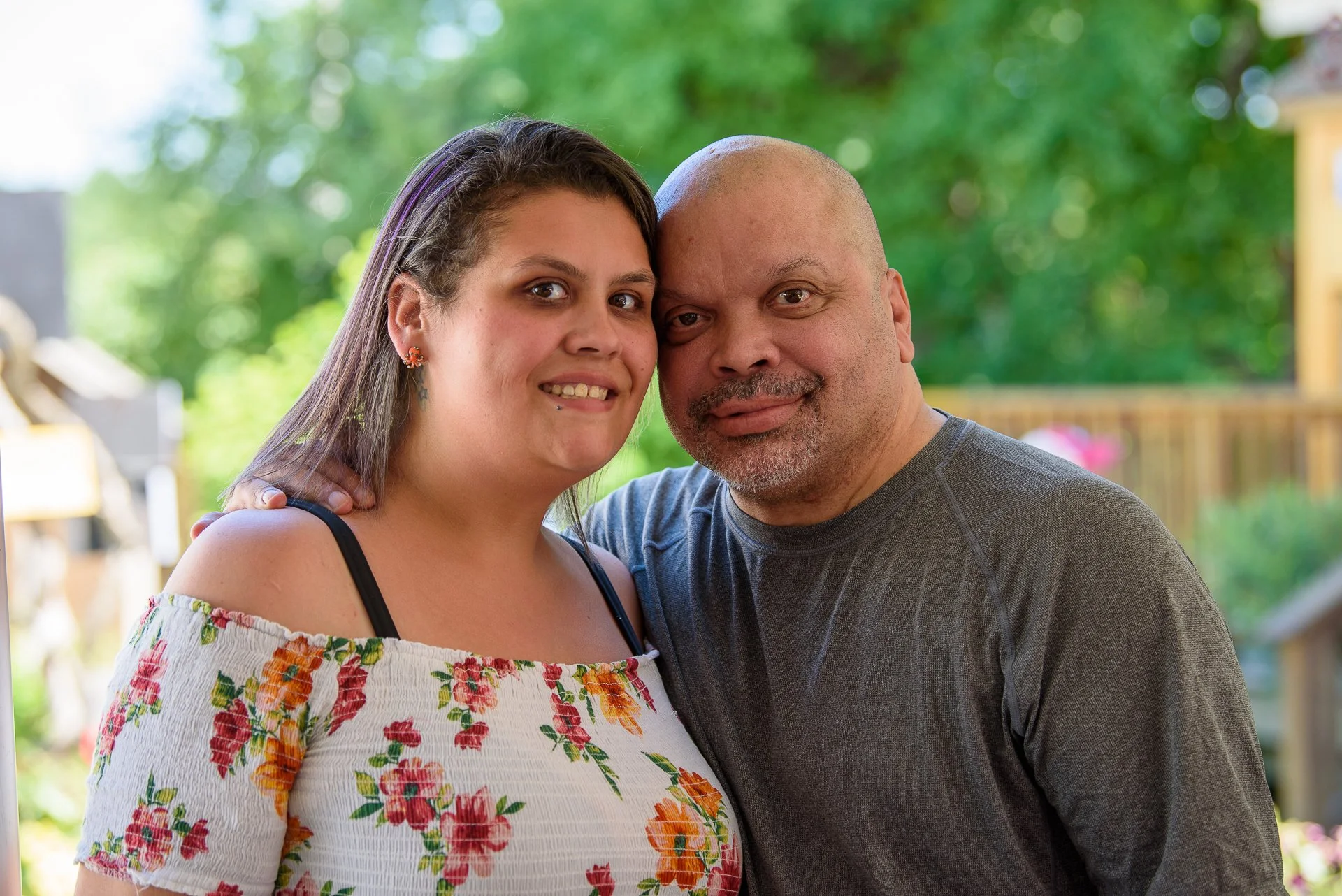
Mr. Rosa with his daughter at NEIP’s Celebration of Freedom event.
34 years
Number of Years Wrongfully Incarcerated
Age at Arrest: 24 years old
Age at Exoneration: 64 years old
Sentence: Death by Incarceration Death by Incarceration Life without the possibility of parole
Freedom Dates
- Conviction Overturned: Sep. 6, 2023 Conviction Overturned A legal reversal of the wrongful conviction. Success here is monumental but doesn't automatically grant immediate freedom; it simply returns the individual to the status of "charged," leaving the State to decide whether to drop the case or force a grueling retrial.
- Date of Release: Oct. 15, 2020 Date of Release Leaving prison. Release is not the same thing as “freedom” since many people who are not in prison remain under the control of the carceral state through invasive supervision and monitoring, and may still face criminal charges and the threat of returning to prison.
- Date of Exoneration: Mar. 18, 2026 Date of Exoneration When a person is legally cleared of all charges, whether through a decision by the prosecutor, judge, or jury. Achieving this requires overcoming immense systemic opposition.
Primary Contributing Factors This list is not comprehensive.
- Mistaken Eyewitness ID
- False or Misleading Forensic Evidence
- Evidence Lost by the Prosecution
NEIP’s Involvement
- Took on the case: 2015
- Worked on case: 10 years
Pro Bono Partner
- Loevy & Loevy
Innocence Organization Partner
- Boston College Innocence Program
Case Investigators and Experts
- 2 Investigators
- 2 DNA experts
- 2 Eyewitness ID experts

2023 Lawyers of the Year
NEIP Executive Director, Radha Natarajan, alongside co-counsel Charlotte Whitmore of the Boston College Innocence Program, were recognized by Massachusetts Lawyers Weekly as 2023 Lawyers of the Year for their work representing Mr. Thomas Rosa.