The Issue
While a wrongful conviction may seem unimaginable to some, for our community, it is a daily reality, causing deep, intergenerational harm.
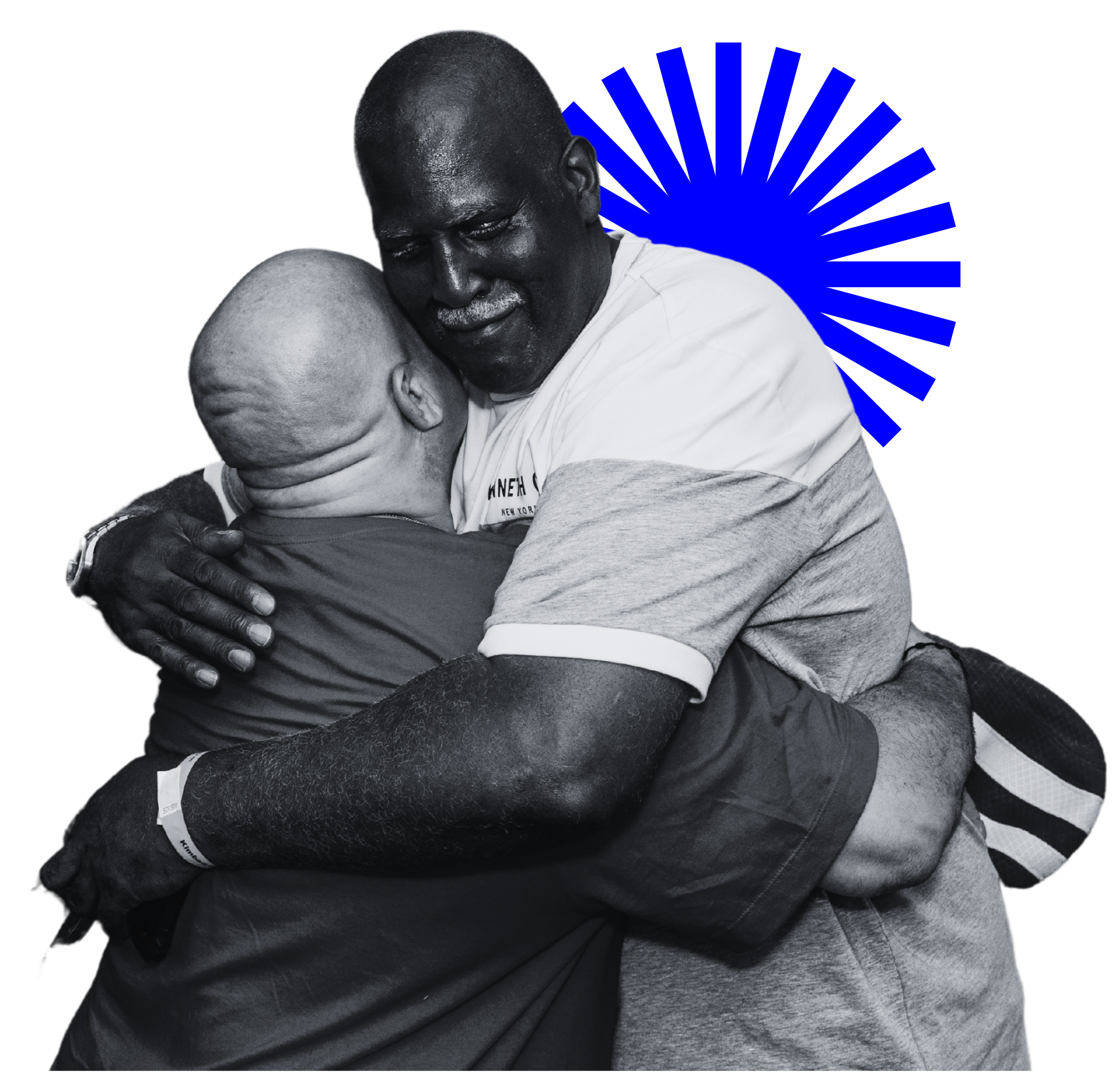
FOR OUR COMMUNITY, WRONGFUL CONVICTIONS ARE A DAILY REALITY.
Imagine being wrongfully convicted for a crime you did not commit. Imagine being taken from your family and community and being put in a cage for something you did not do. Imagine being faced with dying in prison because no one would believe you.
For some of us, this may be unimaginable, but for our community, it is a daily reality.
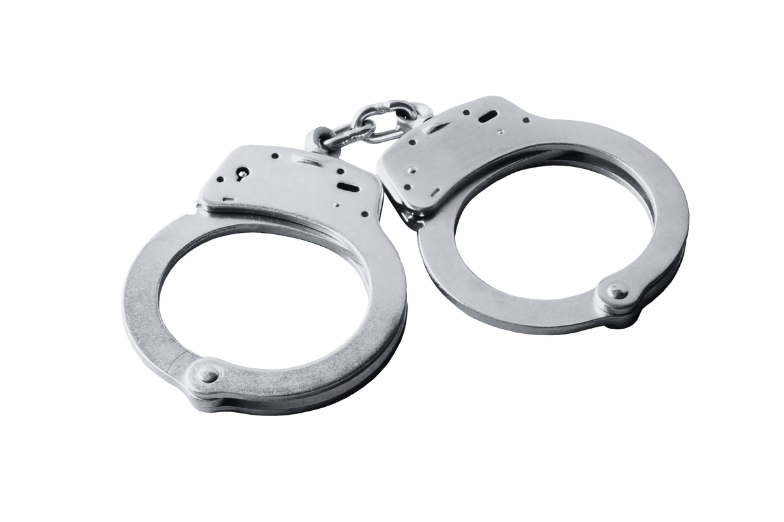
wrongful convictions create intergenerational harm.
The harm caused by wrongful convictions extends far beyond the individual. Families are torn apart. Children grow up without parents. Entire communities absorb the trauma, stigma, and economic devastation that wrongful incarceration creates.
This harm is intergenerational and cumulative—and it falls most heavily on Black people and other communities of color.


Wrongful convictions are not exceptions, but systemic outcomes.
Wrongful convictions are not rare, isolated incidents or the result of a few bad actors. They are the predictable outcome of a criminal legal system rooted in the legacy of slavery and sustained by white supremacy and capitalism.
Since 1989, there have been 3,788 documented exonerations, representing more than 35,340 years lost behind bars. This number grows daily (source). These numbers are staggering, but they represent only the tip of the iceberg.
Wrongful convictions disproportionately affect people of color.
From the legacy of slavery and Jim Crow to today’s systems of policing, prosecution, and incarceration, Black communities have been—and continue to be—disproportionately harmed by wrongful convictions and mass incarceration. Yet Black people have also led the charge for accountability, liberation, and transformative change.
While only 8.1% of the New England population identifies as Black, 34.4% of New England exonerees are Black. And we know that this number, demonstrating the disproportionate number of Black people exonerated, represents only a fraction of those who were actually wrongfully convicted.
There are several factors that contribute to wrongful convictions.
According to the National Registry of Exonerations, a nonprofit database that collects, analyzes, and disseminates public information about all known exonerations in the United States, the key contributors to wrongful convictions are:

False Accusations

Official Misconduct

Flawed Forensic Evidence

Mistaken Witness ID

False or Coerced Confessions
FOR OUR COMMUNITY, WRONGFUL CONVICTIONS ARE A DAILY REALITY.
Imagine being wrongfully convicted for a crime you did not commit. Imagine being taken from your family and community and being put in a cage for something you did not do. Imagine being faced with dying in prison because no one would believe you.
For some of us, this may be unimaginable, but for our community, it is a daily reality.
wrongful convictions create intergenerational harm.
The harm caused by wrongful convictions extends far beyond the individual. Families are torn apart. Children grow up without parents. Entire communities absorb the trauma, stigma, and economic devastation that wrongful incarceration creates.
This harm is intergenerational and cumulative—and it falls most heavily on Black people and other communities of color.
Wrongful convictions are not exceptions, but systemic outcomes.
Wrongful convictions are not rare, isolated incidents or the result of a few bad actors. They are the predictable outcome of a criminal legal system rooted in the legacy of slavery and sustained by white supremacy and capitalism.
Since 1989, there have been 3,788 documented exonerations, representing more than 35,340 years lost behind bars. This number grows daily (source). These numbers are staggering, but they represent only the tip of the iceberg.
Wrongful convictions disproportionately affect people of color.
From the legacy of slavery and Jim Crow to today’s systems of policing, prosecution, and incarceration, Black communities have been—and continue to be—disproportionately harmed by wrongful convictions and mass incarceration. Yet Black people have also led the charge for accountability, liberation, and transformative change.
While only 8.1% of the New England population identifies as Black, 34.4% of New England exonerees are Black. And we know that this number, demonstrating the disproportionate number of Black people exonerated, represents only a fraction of those who were actually wrongfully convicted.
There are several factors that contribute to wrongful convictions.
According to the National Registry of Exonerations, a nonprofit database that collects, analyzes, and disseminates public information about all known exonerations in the United States, the key contributors to wrongful convictions are:
False Accusations
Official Misconduct
Flawed Forensic Evidence
Mistaken Witness ID
False or Coerced Confessions

The system is designed to uphold convictions at all costs, even when evidence shows that they are unjust. Innocent people and their loved ones are forced into years—often decades—of exhausting, uphill battles for freedom. This resistance to revisiting convictions is not a flaw in the system; it is a feature.
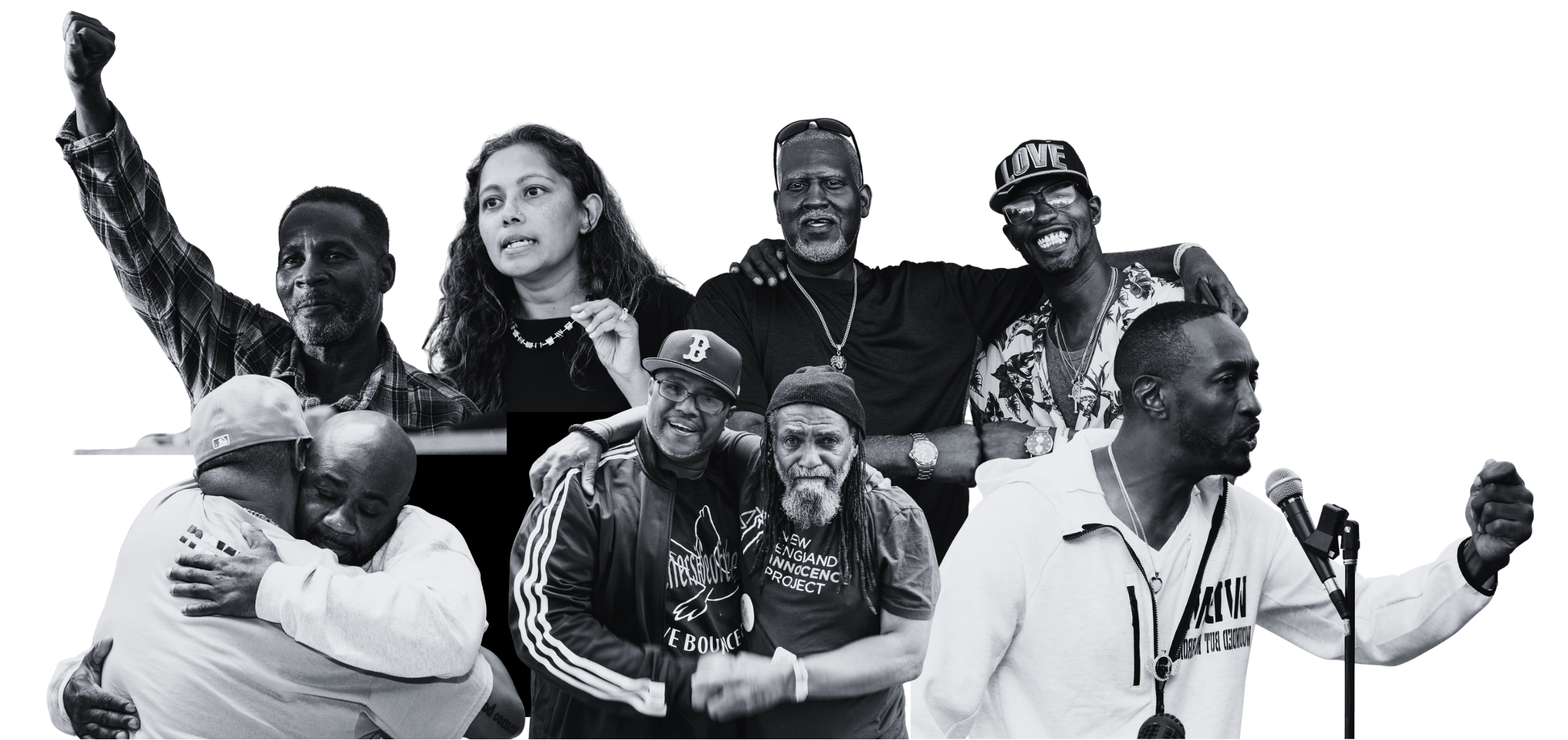
The New England Innocence Project exists to confront this reality head-on, despite the resistance we face.
Most cases do not have evidence to test for DNA. Many of the cases we take on are decades old — evidence has been lost or destroyed, and witnesses have passed away. NEIP takes on these cases.
our cases involve incredible effort, collaboration, and resources in an uphill battle to free the innocent.
We need a team of people and partners/collaborators, thousands of hours analyzing case facts, and tens of thousands of dollars for investigators, experts, and scientific testing.
We are often people’s last resort. However we leave no stone unturned.
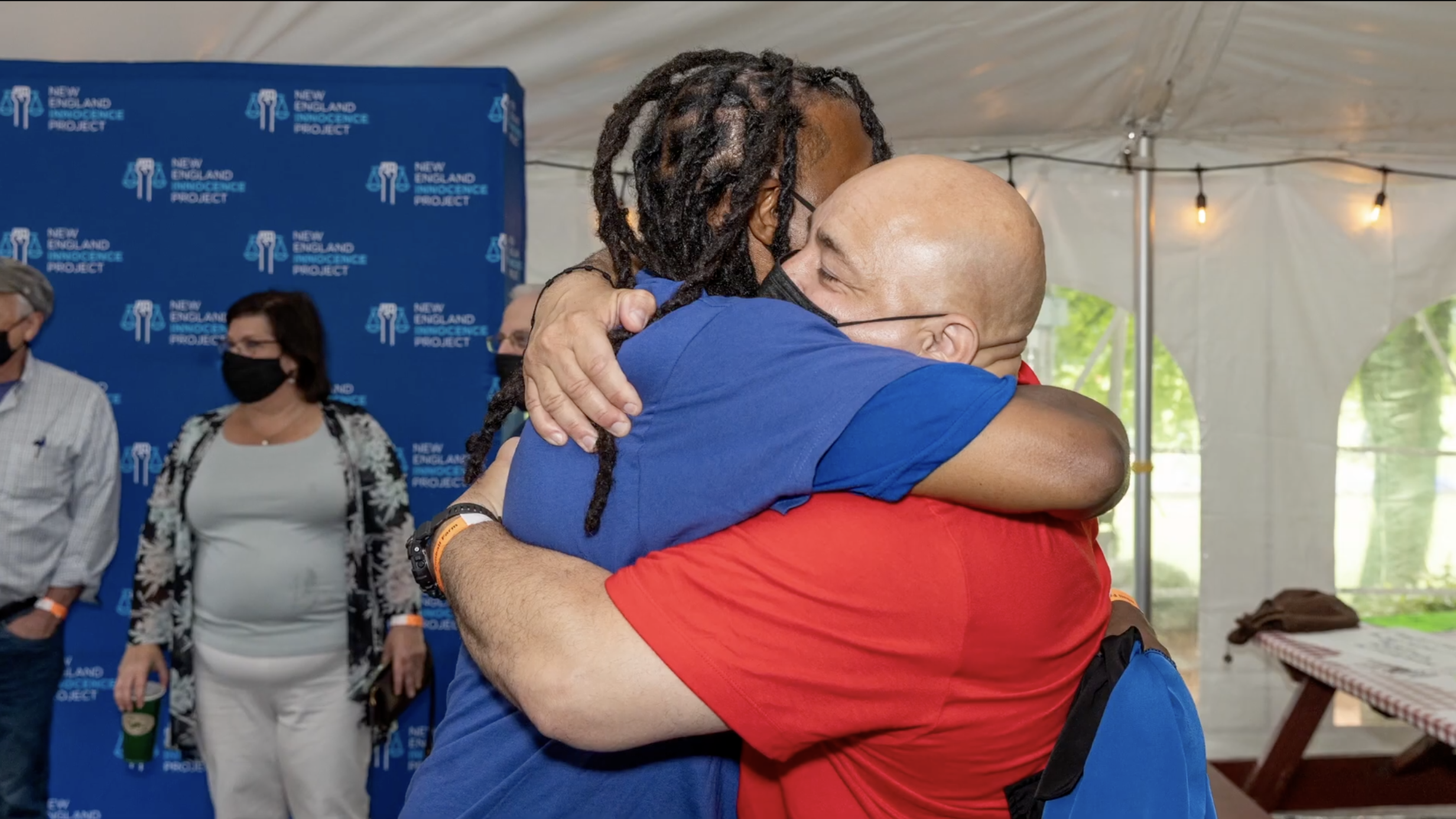
Every person we free reunites a family, restores hope, and exposes the violence of a system built to cage rather than care, and challenges the legitimacy of the carceral state, and expand the possibilities for freedom.
But our work does not end when someone walks out of prison.
With no existing infrastructure to assist, exonerees coming home after years of wrongful incarceration must rebuild from almost nothing. NEIP’s Exoneree Network supports exonerees with end-to-end comprehensive support.

We take on some of the most complex and challenging wrongful conviction cases in the region.


hear directly from those impacted
All these videos and more can be found on our Youtube page.
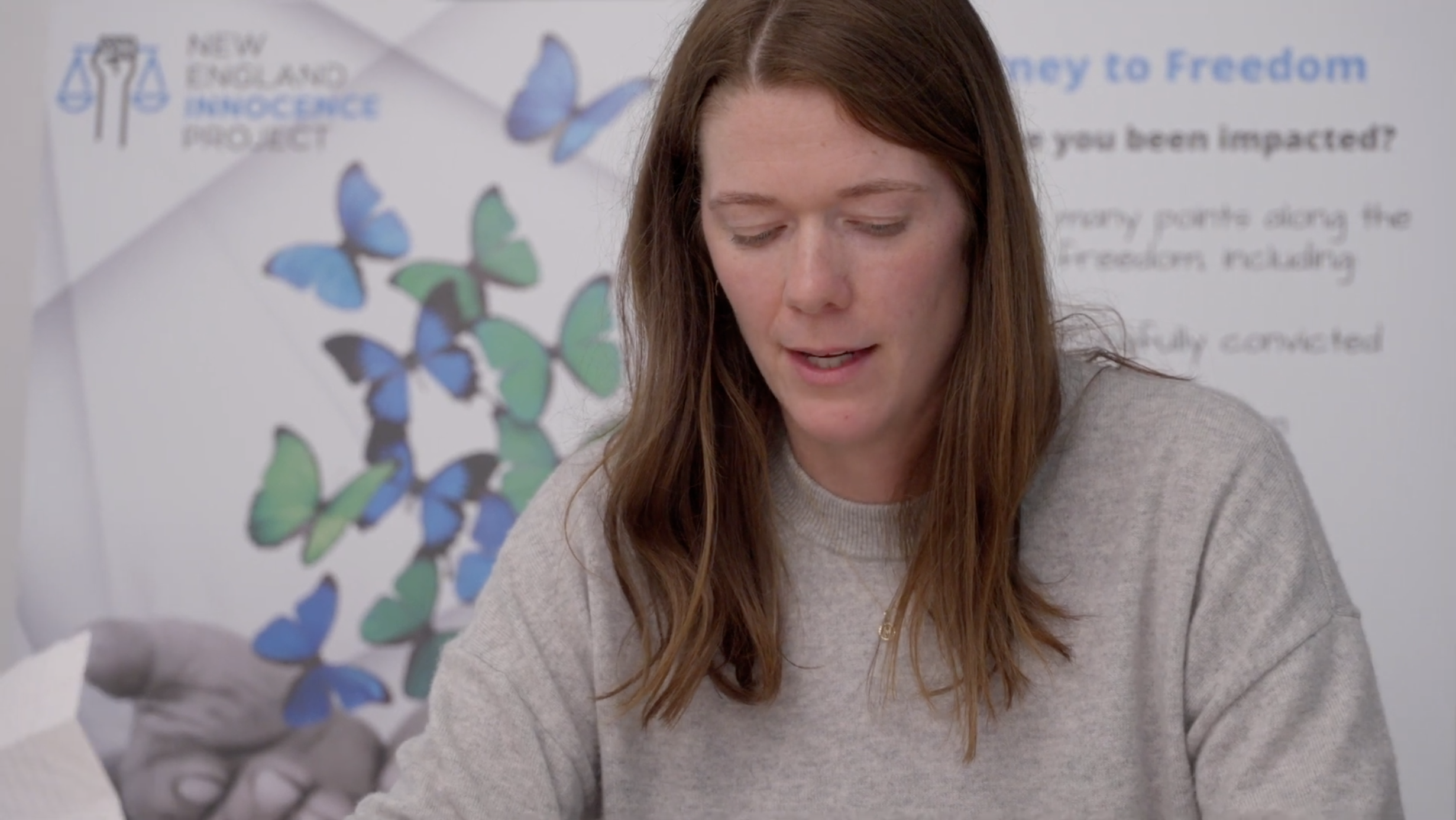
"Journey to Freedom" series (5 videos)
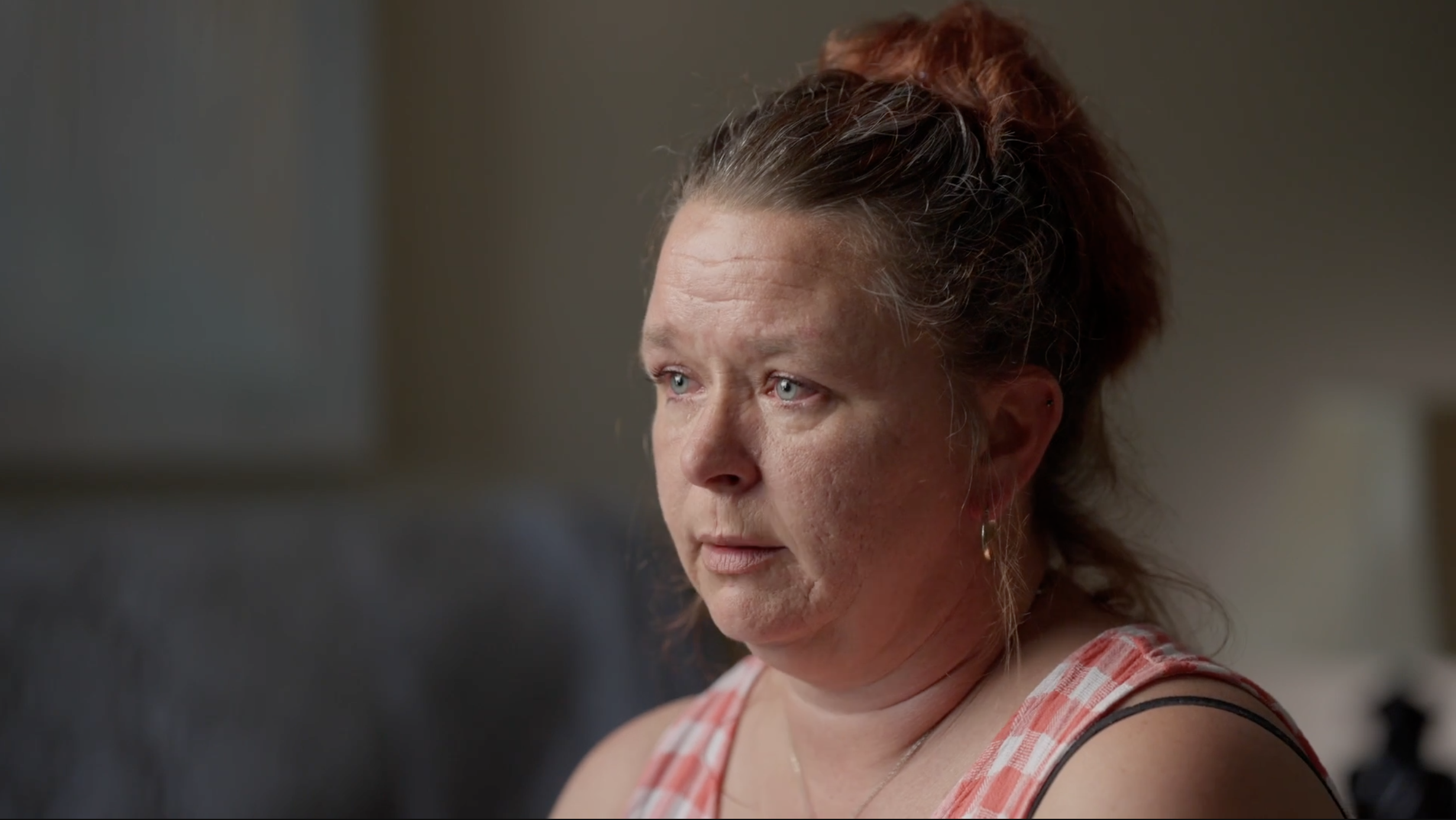
Hear from people reflecting on the devastation of being wrongfully convicted and losing both their freedom and their faith in the criminal legal system, as well as the struggle to maintain hope during the long fight for justice.
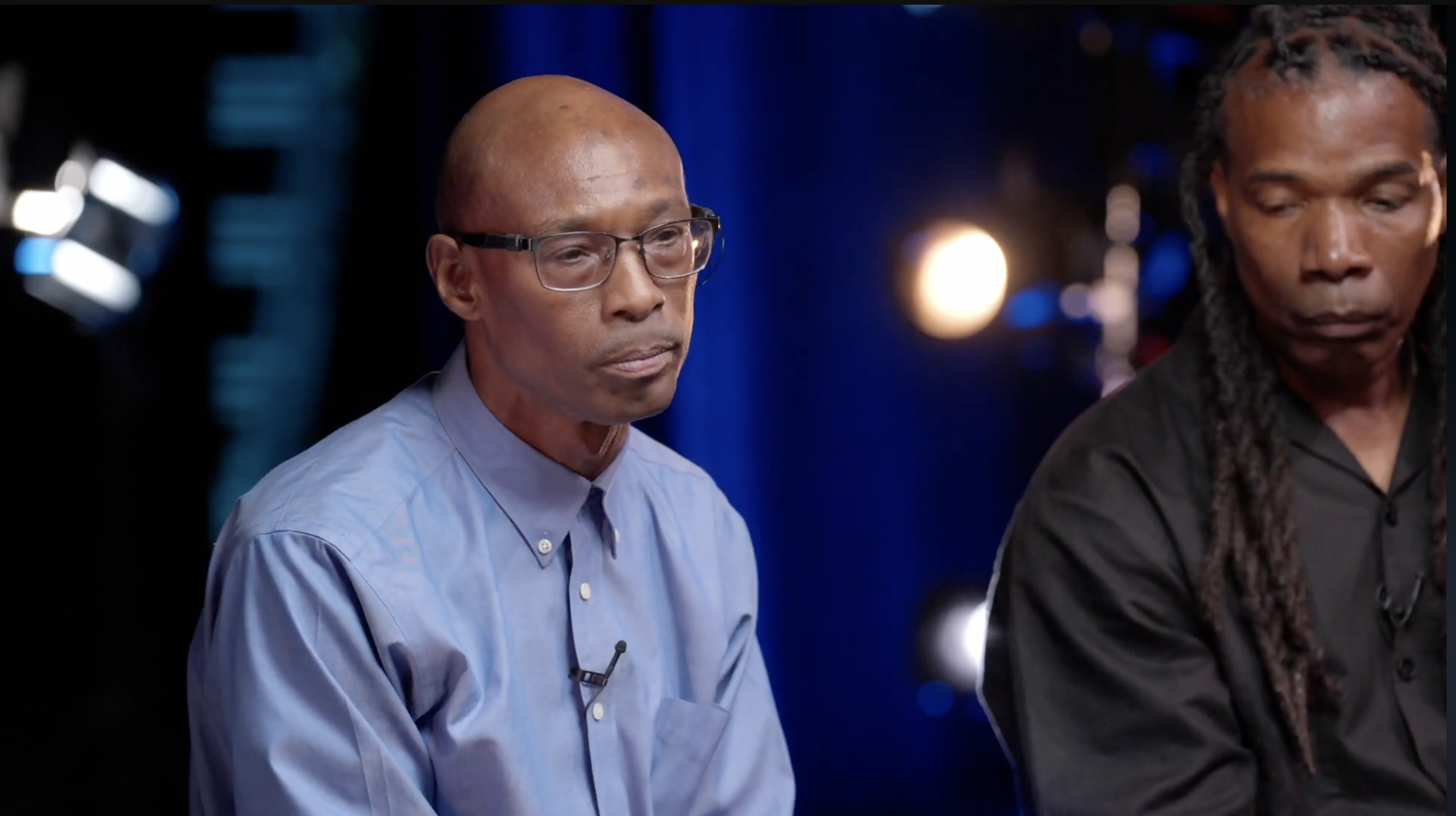
Exoneree voices (5 videos)
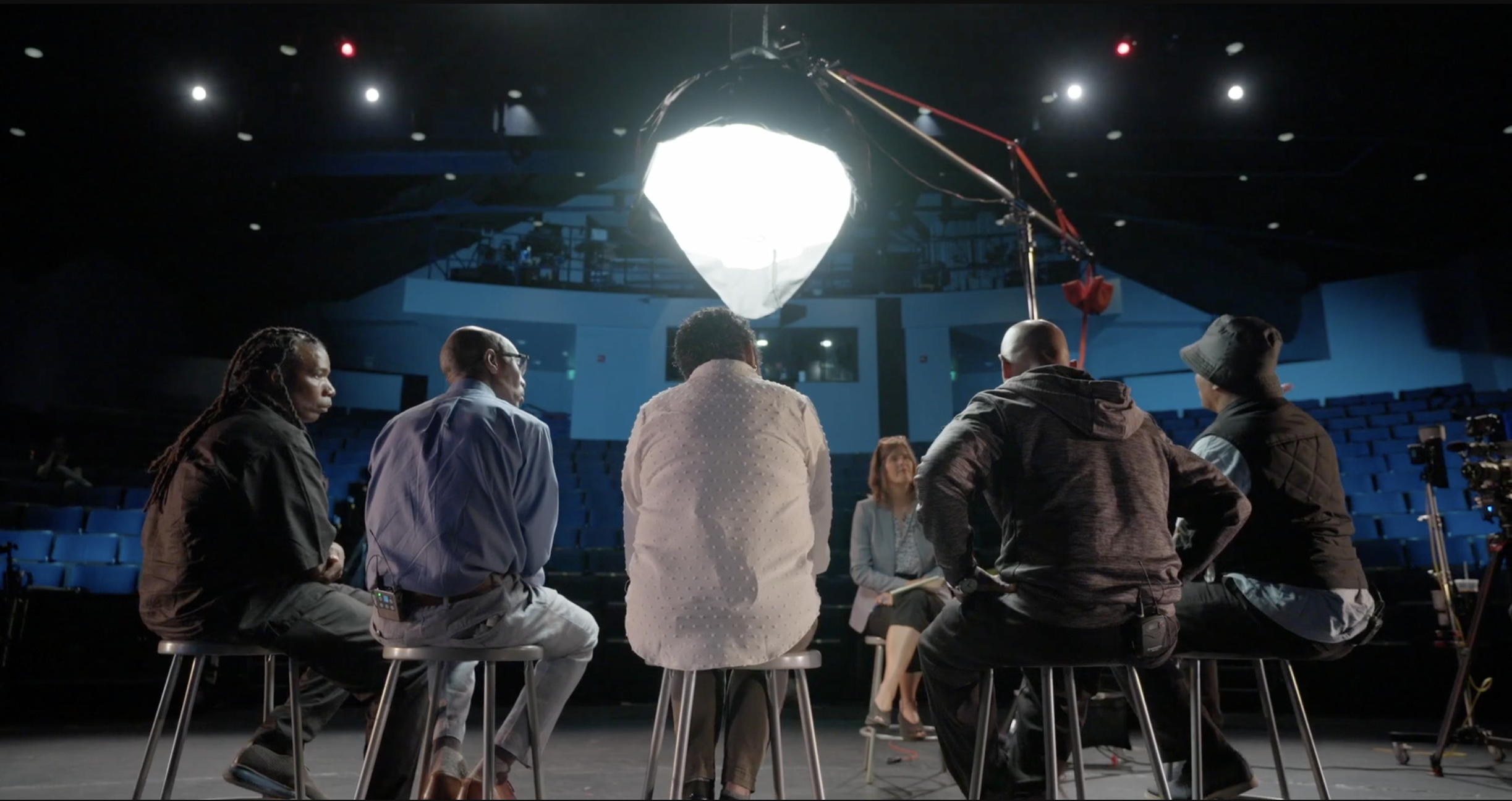
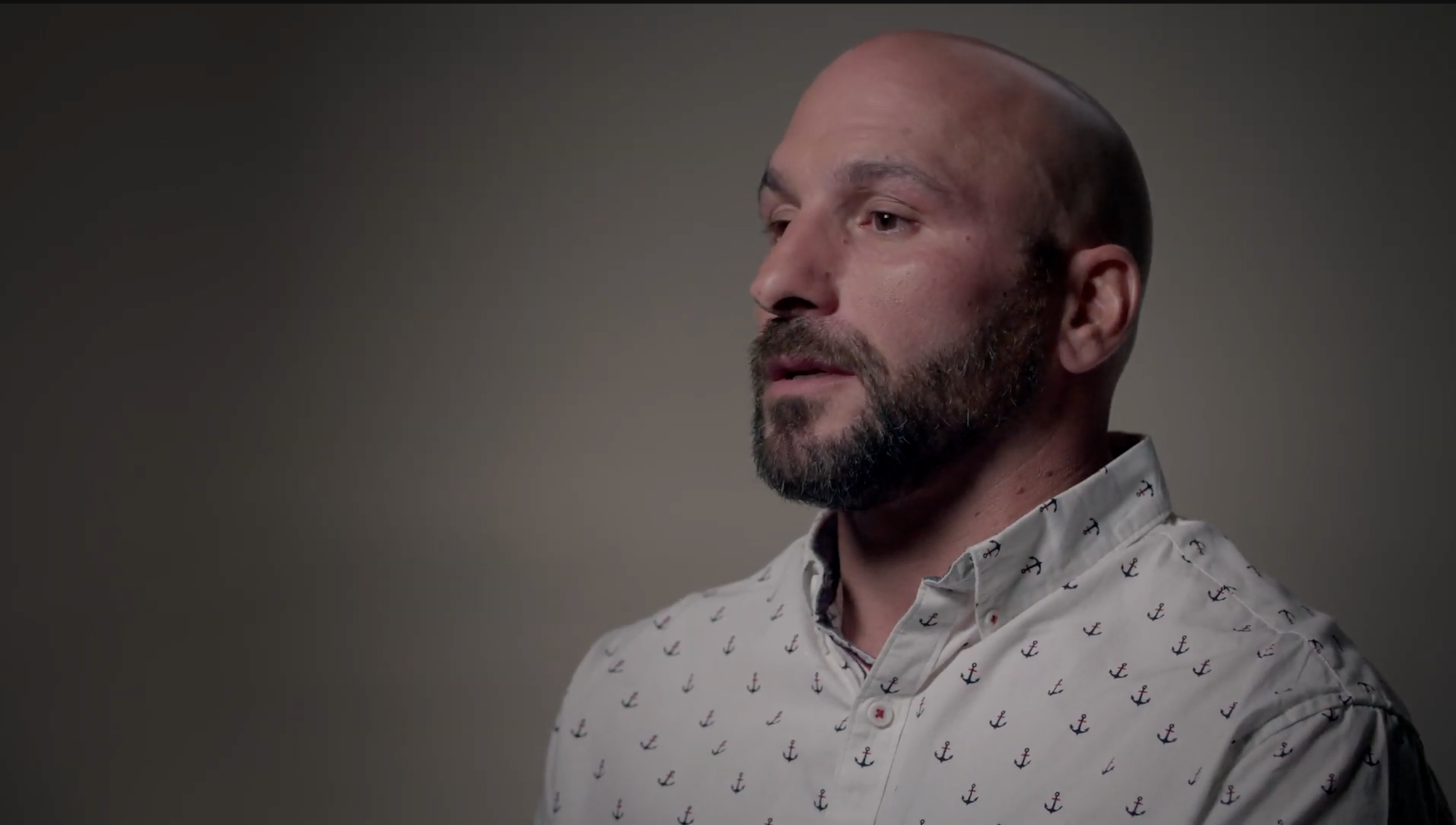
The wrongfully convicted have lost decades for a crime they did not commit. Hear directly from exonerees about how they kept hope alive while fighting for their freedom, and what they hope for the future.


Your support means everything.
Supporting this work enables people who have suffered so much to build a future in freedom, become active in their communities, and create memorable moments—such as raising children, holding their grandchildren, reuniting with their partners, mourning those they have lost while incarcerated, and spending cherished time with their families.