
Narrating the Lincoln Portrait after Surviving Slavery by Another Name
By: Sean Ellis
Event Details: “Voices of Freedom,” Kendall Square Orchestra
Event Date: October 9, 2026
Event Time: 7:30 PM
Event Location: Sanders Theatre, Harvard
*Get 50% off your ticket using the promotional code KRISTO50 before selecting your seats on the Harvard Box Office website.
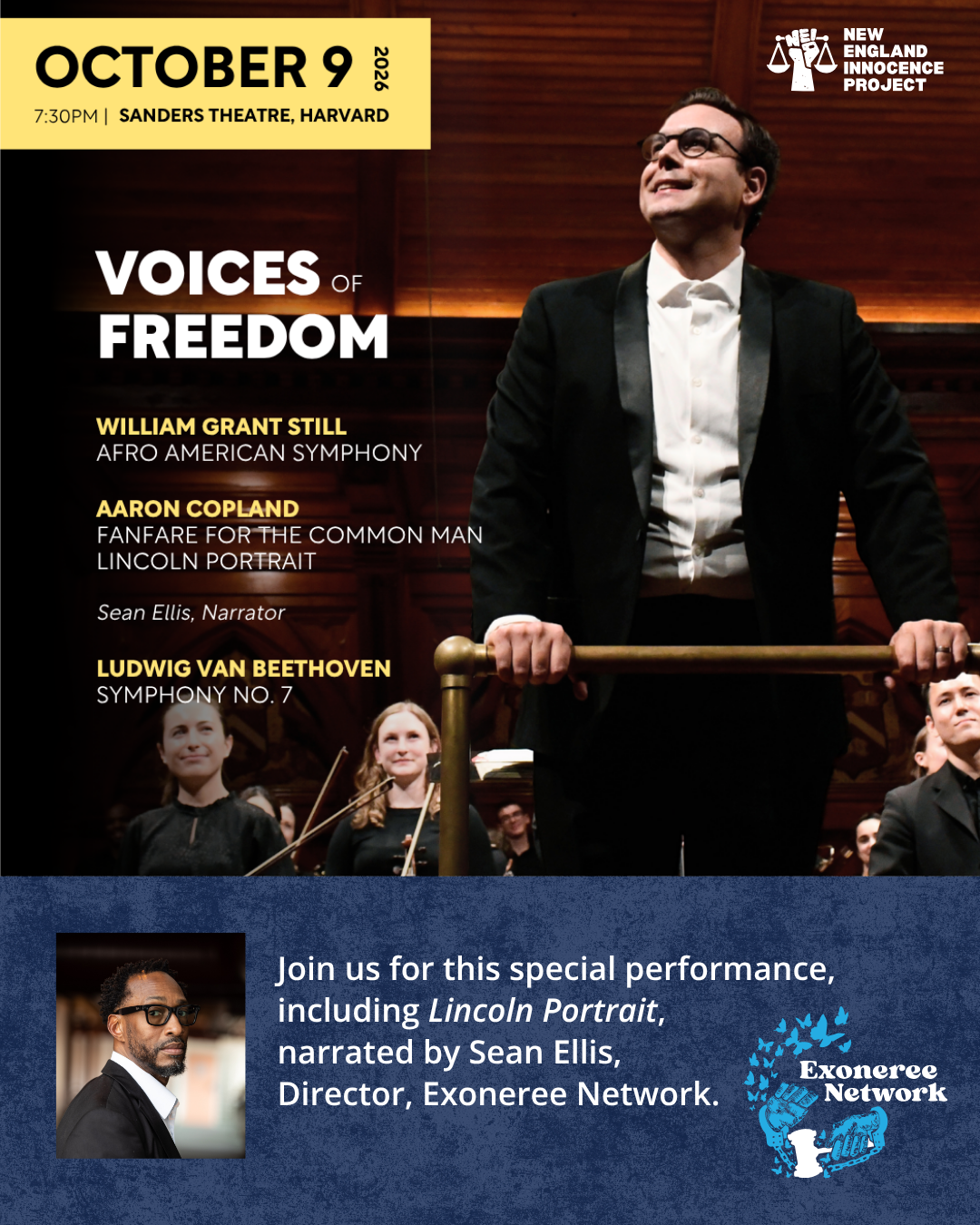
I am honored to perform the Lincoln Portrait with the Kendall Square Orchestra on October 9, 2026 (7:30 PM) at the Sanders Theatre in Cambridge, MA.
For me, this will be more than a performance. It will be a full-circle moment, a reminder of the power of the human spirit, and an absolutely powerful moment in my life. I grew up in the projects in Boston, MA, with a single mother. Big on education, my mother enrolled her children in the METCO program, which gave them the opportunity to attend school in Needham, MA. I finished my last two years of high school in Boston Public Schools. My life’s journey has not been easy. In fact, some of the pains and toils I’ve experienced make me ponder those of my ancestors. At one point in my life, I didn’t know to value the significance of Lincoln’s words, yet I had to fight to be able to personify their very meaning. I never could have imagined that my life would one day take me to a stage where I would share the words of Abraham Lincoln through music, in part because the 13th Amendment of the United States Constitution authorized a sentence for me to die in slavery.
My life journey, subject of the Netflix docu-series Trial 4, has not been easy. My older brother drowned at a friend's pool in Needham at the age of 12, when I was just 8 years old. This loss led my mother to years of chemical dependency. At 19 years old, I was wrongfully incarcerated, spending nearly 22 years in prison for a crime I did not commit. During that time, I spent 9 years locked in a cell for 21.5 hours a day. While I was released from prison in 2015, it wasn’t until 2021 that I was fully exonerated.
However, my journey did not end with my exoneration. I was wounded, but not broken. Today, I am proud to lead the Exoneree Network, a program of the New England Innocence Project, which I co-founded with two other exonerees. At the Exoneree Network, I help others who have experienced wrongful convictions and incarceration navigate life in freedom as they rebuild and find hope in their future. Narrating the Lincoln Portrait will be truly meaningful because Lincoln’s words continue to speak to reconciliation between history and the present—to freedom and hope. These words are not just ideas of historical context to me. I know what it means to have freedom taken away, and not to have authority over your being. And I know what it means to have it restored and to come back to it.
When I stand on the Sanders Theater stage, I will think about the men and women who are still impacted today by the 13th Amendment and the continuation of the harms of slavery. But I will also be thinking about the young man who grew up in the projects, the man who wrongfully lost decades of his life in prison, and the man who now uses his voice to inspire and help others.
This moment marks how far I have come and also how much further I intend to go.
I am grateful to the Kendall Square Orchestra for this incredible opportunity, and I look forward to sharing this powerful experience with others. #WOUNDEDBUTNOTBROKEN